
How Sedation Options Are Helping More Patients Get the Dental Care They Need
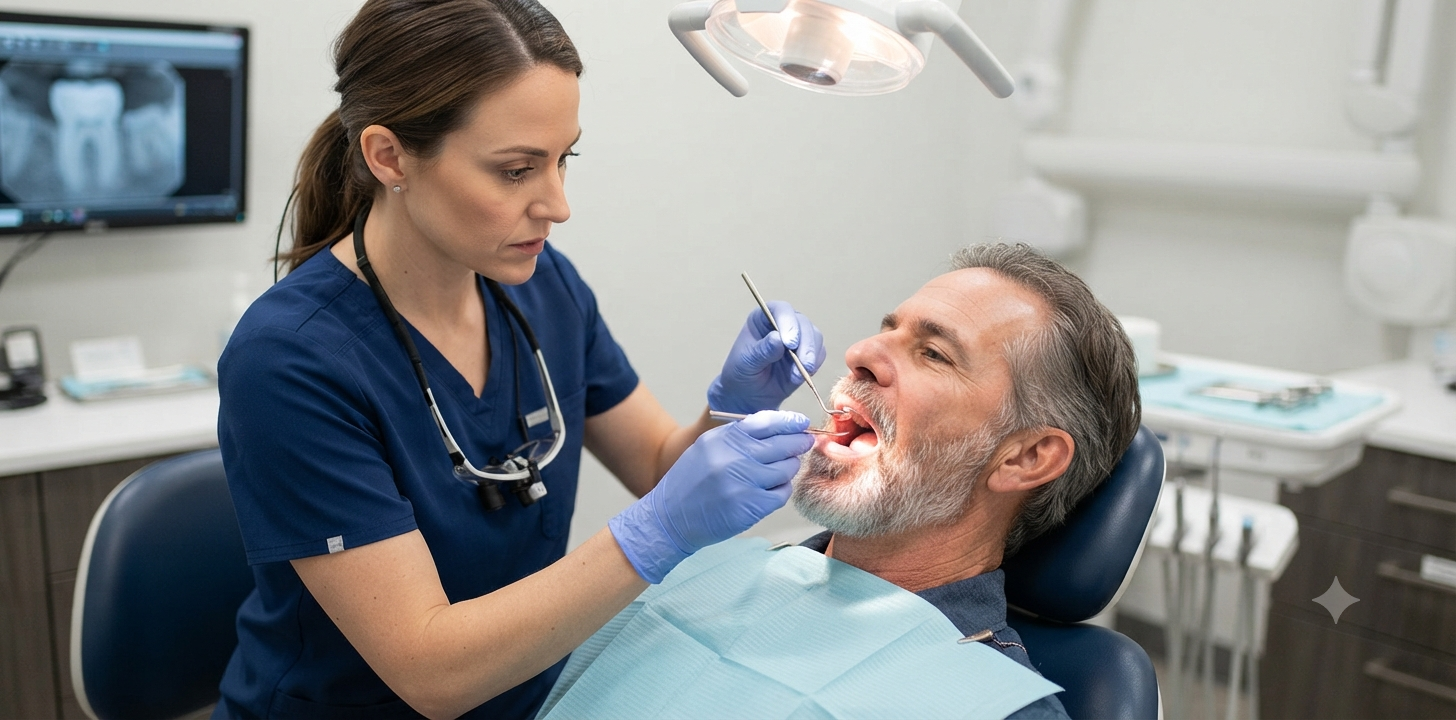
For some people, going to the dentist is a routine part of staying healthy. For others, even thinking about a dental appointment can bring feelings of fear, nervousness, or tension. Dental anxiety is common, and it can sometimes cause people to postpone or avoid the care they need.
Sedation dentistry can be one option for making dental visits more comfortable for appropriate patients. Depending on the treatment, medical history, and level of anxiety, a dental professional may recommend different approaches to help a patient feel more relaxed during care.
At All Star Smiles, understanding a patient's concerns and creating a comfortable dental experience can be an important part of providing personalized care.
What Is Sedation Dentistry?
Sedation dentistry involves using medication or other techniques to help a patient feel more relaxed during a dental procedure. Sedation does not necessarily mean that a patient will be completely asleep. The level of sedation can vary depending on the type used and the treatment being performed.
For some patients, sedation may help reduce nervousness and make it easier to remain calm throughout an appointment. This can be particularly helpful for people who have avoided dental treatment because of anxiety or previous uncomfortable experiences.
The appropriate sedation approach depends on several factors, so your dental provider will evaluate your needs before recommending an option.
Why Do Some Patients Avoid Dental Care?
Dental anxiety can develop for many different reasons. Some patients may have had an unpleasant dental experience in the past. Others may feel uncomfortable with dental instruments, sounds, sensations, or simply being in a dental setting.
Common concerns can include:
- Fear of discomfort
- Nervousness about dental procedures
- Tension during treatment
- A strong gag reflex
- Difficulty sitting comfortably for longer appointments
- Previous negative dental experiences
These concerns are real, and communicating them with your dental team can help them understand how to make your appointment more comfortable.
How Sedation May Help
One of the primary goals of sedation is to help reduce anxiety and promote relaxation during dental treatment.
For an appropriate patient, sedation may make it easier to remain calm while the dental team completes the planned procedure. Some patients may also feel that the appointment passes more comfortably when they are relaxed.
Sedation can be particularly helpful for patients who have delayed necessary dental treatment because anxiety has made it difficult for them to schedule or complete an appointment.
However, sedation is not automatically necessary for every patient or every procedure. Your dentist can determine whether it is appropriate based on your individual situation.
Different Levels of Sedation
Sedation is not a one-size-fits-all approach. Different techniques can provide different levels of relaxation, and the option selected depends on factors such as the procedure, the patient's health history, and their level of anxiety.
Minimal Sedation
Minimal sedation helps a patient feel relaxed while remaining awake and responsive. This level may be appropriate for patients who experience mild dental anxiety and need additional help feeling comfortable during treatment.
Moderate Sedation
Moderate sedation produces a deeper level of relaxation. Patients may remain responsive but can feel significantly more relaxed during the procedure. Depending on the medication used, some patients may have limited memory of parts of the appointment.
Deeper Sedation
Some procedures or patient situations may require a deeper level of sedation. These approaches involve additional considerations and require appropriate monitoring by trained professionals.
The type of sedation used should always be determined by a qualified dental professional after reviewing the patient's health history and treatment needs.
Sedation Does Not Replace Local Anesthesia
It is important to understand that sedation and local anesthesia serve different purposes.
Sedation is primarily used to help a patient relax. Local anesthesia is used to numb a specific area so the patient does not feel pain from the dental procedure.
Depending on the treatment, a dentist may use local anesthesia along with sedation. Your dental team can explain what will be used and why before treatment begins.
Who May Benefit From Sedation?
Sedation may be considered for patients who experience significant dental anxiety or have difficulty remaining comfortable during treatment. It may also be discussed when a patient has previously postponed dental care because of fear or nervousness.
However, sedation is not suitable for everyone. A patient's medical history, medications, allergies, overall health, and planned procedure all need to be considered.
Before recommending sedation, the dental team should review the patient's health information and discuss the potential benefits, risks, and preparation instructions.
What Should You Expect Before Sedation?
Before receiving sedation, your dental provider will discuss your treatment and explain what you can expect. You may be asked about your medical history, current medications, allergies, and previous experiences with anesthesia or sedation.
Depending on the type of sedation being used, you may also receive specific instructions about eating, drinking, medications, transportation, and what to do after your appointment.
Following these instructions carefully is an important part of having a safe and comfortable experience.
What Happens After the Appointment?
Recovery depends on the type of sedation used. Some forms allow patients to return to their normal activities relatively quickly, while others may cause temporary drowsiness or affect coordination for several hours.
Your dental team will provide specific aftercare instructions based on the sedation method used. If your sedation requires assistance after treatment, you may need someone to accompany you home and stay with you for a period of time.
Always follow the instructions provided by your dental provider.
Talking About Dental Anxiety Is the First Step
Many people who feel nervous about dental treatment may avoid mentioning it because they assume they are expected to simply deal with the discomfort or fear. In reality, telling your dental team about your concerns can help them plan a more comfortable experience.
Whether you are nervous about a specific procedure or have avoided dental care for years because of anxiety, an open conversation can help your dentist understand what you need.
Sedation may be one part of a broader approach that includes clear communication, a calm environment, appropriate pain control, and personalized treatment planning.
Getting Comfortable With Dental Care
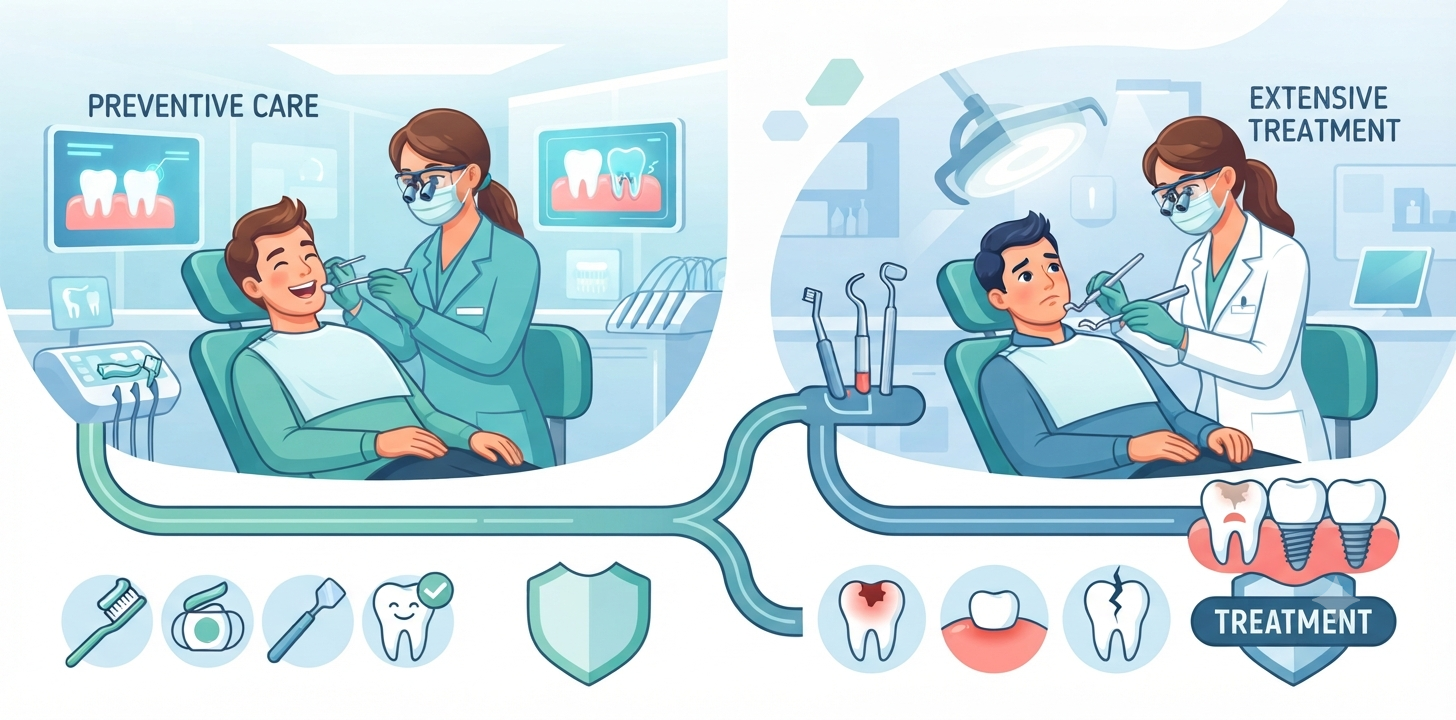
Regular dental care plays an important role in maintaining healthy teeth and gums. When anxiety becomes a barrier to treatment, discussing available comfort options with your dentist can help you find an approach that works for you.
At All Star Smiles, patients can discuss their concerns and treatment needs with the dental team before deciding on an appropriate approach. If dental anxiety has been keeping you from getting the care you need,schedule a consultation to discuss your concerns and available options.