

How Can Preventive Dental Visits Reduce the Need for Extensive Treatment?

September 19, 2026

Many dental problems do not become serious overnight. A small cavity can gradually become a larger area of decay, mild gum inflammation can progress into periodontal disease, and a minor crack can eventually compromise the structure of a tooth. Regular preventive dental visits give your dentist an opportunity to identify these problems before they require more complex treatment.

What Happens During a Preventive Dental Visit?

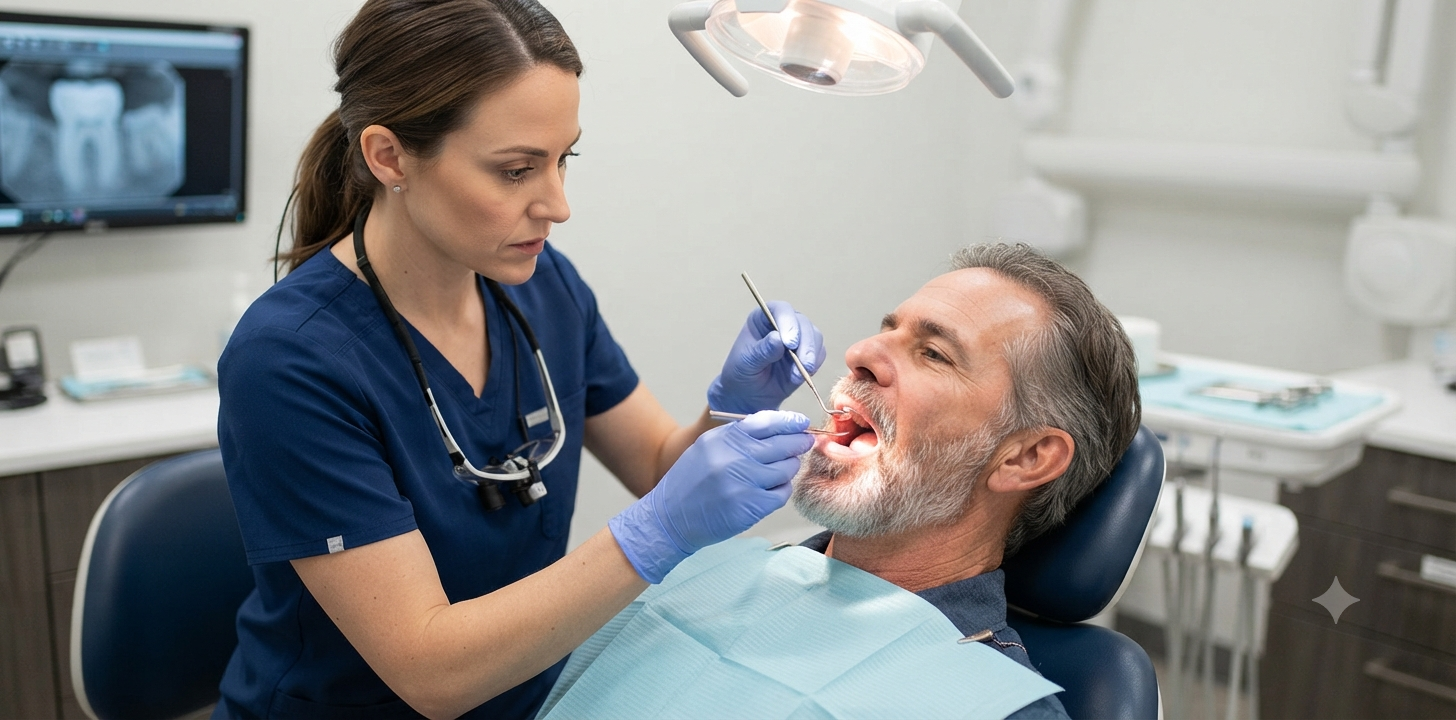
A preventive appointment typically involves more than simply cleaning your teeth. Your dentist examines your teeth and gums for signs of problems that may not yet be causing noticeable symptoms.

Depending on your oral health, an appointment may include:

  • A comprehensive examination of your teeth and gums
  • Professional dental cleaning
  • Evaluation for cavities and early tooth decay
  • Checking for signs of gum disease
  • Examination of existing fillings, crowns, or other dental work
  • Dental X-rays when clinically appropriate
  • Screening for changes in your oral tissues

These evaluations help your dentist monitor changes over time and determine when treatment may be needed.

How Can Early Detection Prevent More Extensive Treatment?

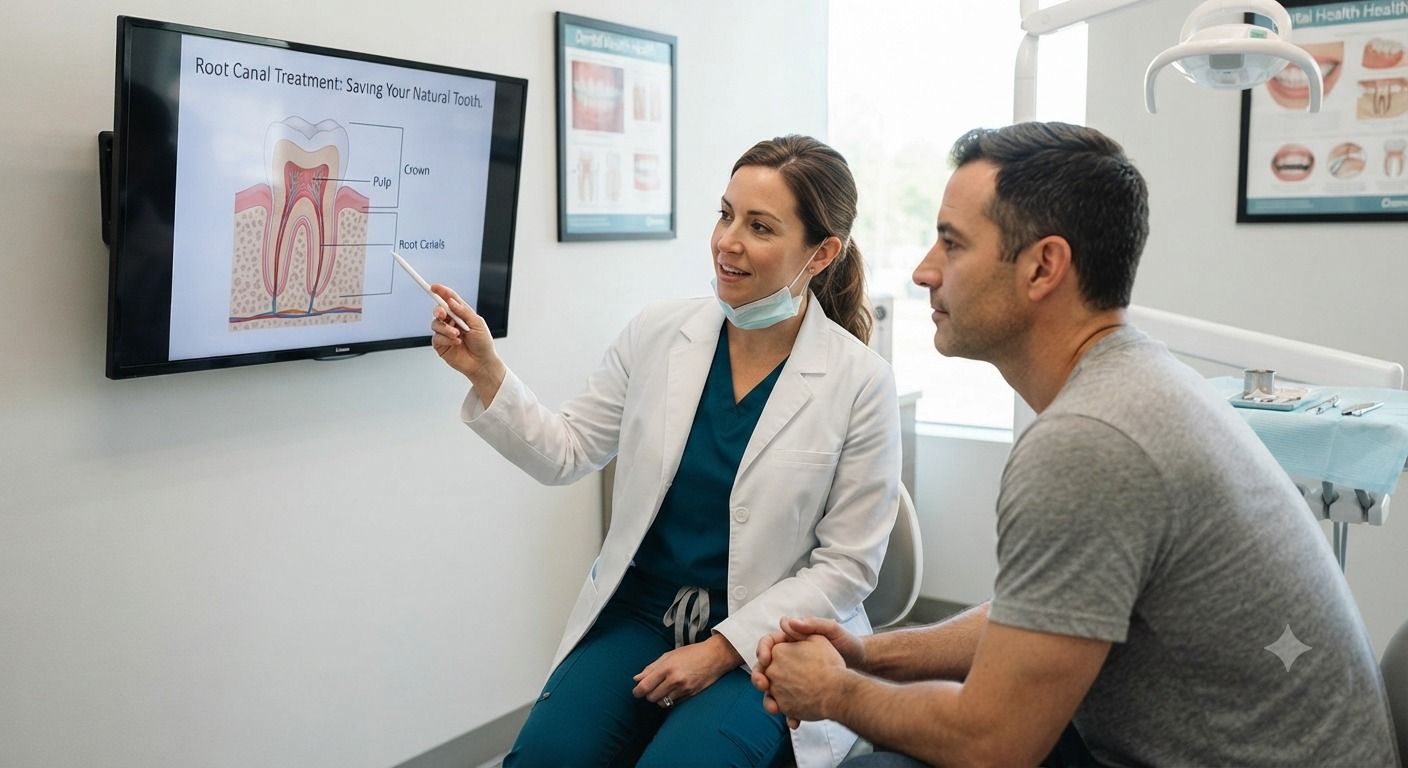
The earlier a dental problem is identified, the more treatment options may be available. For example, decay discovered while it is still limited to a tooth may be treated with a filling. If the decay reaches the inner portion of the tooth, treatment may become more involved and could require root canal therapy or another restorative procedure.

The same principle applies to gum health. Early signs of gum inflammation can often be addressed with improved home care and professional treatment. When gum disease progresses, however, treatment may require more extensive periodontal therapy.

Regular visits allow your dentist to intervene before a manageable problem becomes a larger one.

Can Preventive Visits Help Protect Damaged or Restored Teeth?

Yes. Teeth that already have fillings, crowns, bridges, or other restorations still need regular monitoring. Dental work can wear down, develop problems at its edges, or be affected by changes in the surrounding teeth and gums.

During routine examinations, your dentist can check existing restorations and identify potential concerns before they result in significant discomfort or damage.

Why Should You Go Even If Nothing Hurts?

Pain is not always an early warning sign of dental disease. Cavities, gum disease, and other oral health problems can develop without obvious symptoms.

Waiting until a tooth hurts may mean the problem has already progressed. Preventive appointments provide an opportunity to detect issues while they are still easier to manage.

What Can You Do Between Dental Visits?

Preventive dentistry also depends on your daily habits. Brushing twice a day with fluoride toothpaste, cleaning between your teeth, limiting frequent exposure to sugary foods and drinks, and following your dentist's recommendations can help maintain your oral health between appointments.

If you notice bleeding gums, tooth sensitivity, pain, swelling, a broken filling, or another change in your mouth, do not wait for your next routine appointment. Contact your dental office for an evaluation.

Prevention Can Mean Simpler Treatment

Preventive dental visits cannot guarantee that you will never need restorative or periodontal treatment. However, they can help identify problems earlier, when treatment may be simpler and less extensive.

At All Star Smiles, regular dental examinations and professional preventive care can help you stay ahead of developing oral health concerns and maintain your smile over time.

If it has been a while since your last dental checkup, scheduling a preventive visit can be an important step toward avoiding more complicated dental problems in the future.
By Kunal Pandit • September 22, 2026
Regular dental visits are about more than keeping your teeth clean and your smile looking its best. During a routine dental examination, your dentist and hygienist also examine the tissues throughout your mouth for changes that may need attention. These areas include your gums, cheeks, lips, tongue, and jaw. Many people do not realize how much of the mouth is examined during a dental visit. A professional oral examination allows your dental team to identify unusual changes that may be difficult to notice on your own. This is one reason regular oral screenings are an important part of preventive dental care . One condition that dentists look for during these examinations is oral cancer. Early detection can help identify concerning changes sooner and allow you to receive appropriate evaluation and treatment when necessary. What Is an Oral Cancer Screening? An oral cancer screening is an examination of the tissues in and around your mouth. During the screening, your dentist or hygienist looks for abnormalities that may require further evaluation. The examination can include the gums, inside of the cheeks, lips, tongue, roof of the mouth, and other visible oral tissues. Your dentist may also examine areas around the jaw and neck for changes that could require additional attention. The purpose of an oral cancer screening is not to diagnose cancer during a routine dental visit. Instead, it helps your dental team identify changes that may need to be monitored, investigated, or referred for additional testing. Why Is Early Detection Important? Early detection can be an important part of managing oral cancer. Some abnormal changes may not cause noticeable symptoms in their early stages, which means you may not realize that something has changed. Regular dental visits allow your dental team to examine areas of your mouth that you may not regularly check yourself. If an unusual area is identified, your dentist can determine whether it appears to require monitoring or further evaluation. If additional testing is recommended, a biopsy may be performed so that a tissue sample can be examined by a qualified laboratory. The results can provide more information about the nature of the abnormality and help determine what should happen next. Early evaluation can also help distinguish potentially serious changes from other conditions that may affect the mouth. Who Is at Risk for Oral Cancer? Oral cancer can affect different individuals, but certain factors may increase a person's risk. Tobacco use is one of the significant risk factors associated with oral cancer. Smoking and other forms of tobacco use can expose the tissues of the mouth to harmful substances. Chewing tobacco can also contribute to changes in oral tissues and increase the risk of oral health problems. However, tobacco use is not the only reason to have regular oral screenings. Oral abnormalities can occur in people who do not use tobacco as well. Regular dental examinations allow your dental team to monitor your oral health regardless of your personal risk factors. If you use tobacco and are considering quitting, talk with your dentist or hygienist about resources and strategies that may help you take steps toward quitting. What Changes Should You Look Out For? It is important to pay attention to changes in your mouth and have persistent or unusual concerns evaluated by a dental professional. Some changes that may warrant an examination include: Sores that do not heal Red or white patches Unusual lumps or thickened areas Persistent irritation Swelling or changes in the appearance of oral tissues Unexplained changes in the mouth Areas that continue to feel abnormal These signs do not automatically mean that you have oral cancer. Many oral conditions are not cancerous and can have a variety of causes. However, if a change persists or concerns you, it is worth having it evaluated rather than ignoring it. Not Every Oral Abnormality Is Cancer There are many different conditions that can affect the tissues inside the mouth. Some may be related to irritation, infections, autoimmune conditions, or other non-cancerous causes. For example, oral warts and autoimmune lesions can cause changes in the appearance of oral tissues. Other abnormalities may develop for reasons unrelated to cancer. This is why professional evaluation is important. Your dentist can examine the area and determine whether it should simply be monitored or whether additional testing may be appropriate. Rather than assuming what a particular change means, a dental examination can provide a clearer understanding of what may be happening. What Happens If Your Dentist Finds Something Unusual? If your dentist notices an unusual area during an oral examination, the next step will depend on what they observe. Some changes may simply need to be monitored over time. Your dentist may ask you to return for a follow-up examination to see whether the area changes, improves, or remains the same. In other situations, your dentist may recommend additional evaluation. This could include a biopsy, where a small sample of tissue is collected and sent to a qualified laboratory for microscopic analysis. A biopsy does not automatically mean that an area is cancerous. It is a diagnostic step that can provide more information about an abnormal tissue change. Your dental team can explain why additional testing is being recommended and what you can expect from the process. How Regular Dental Visits Can Help Regular dental visits provide an opportunity to monitor your oral health over time. During these appointments, your dental team can evaluate your teeth and gums while also examining the soft tissues throughout your mouth. Having regular screenings also allows your dentist to become familiar with the normal appearance of your oral tissues. Changes can then be identified during future visits and evaluated when necessary. A professional dental cleaning and oral examination work together as part of preventive dental care. Keeping up with routine appointments can help you stay aware of changes in your oral health. Oral Health Goes Beyond Your Teeth When people think about dental care, they often focus on cavities, gum disease , and cleanings. While these are important, your oral health also includes the soft tissues throughout your mouth. Your lips, cheeks, tongue, gums, and other oral tissues can experience different changes. Some may be minor, while others may require professional attention. Taking a few minutes during a regular dental visit to examine these areas can provide an important opportunity to identify changes that may otherwise go unnoticed. How All Star Smiles Supports Oral Health At All Star Smiles in Arlington, Texas, oral examinations are an important part of comprehensive dental care. During your hygiene visit, your dental team examines the tissues of your mouth, including your gums, cheeks, lips, tongue, and jaw. If an unusual change is identified, your dentist can evaluate the area and determine whether it should be monitored or whether additional evaluation may be appropriate. All Star Smiles also understands that tobacco use can be difficult to stop. If you are ready to quit, your dental team can discuss strategies and resources that may support your efforts. Regular dental visits allow you to take care of more than just your teeth. They also allow your dental team to monitor your overall oral health and identify changes that may need attention. If you have noticed an unusual or persistent change in your mouth, or if you are due for a routine dental examination, schedule a visit with All Star Smiles in Arlington, Texas. Early evaluation can help you understand what is happening and determine whether further care may be needed.
By Kunal Pandit • September 22, 2026
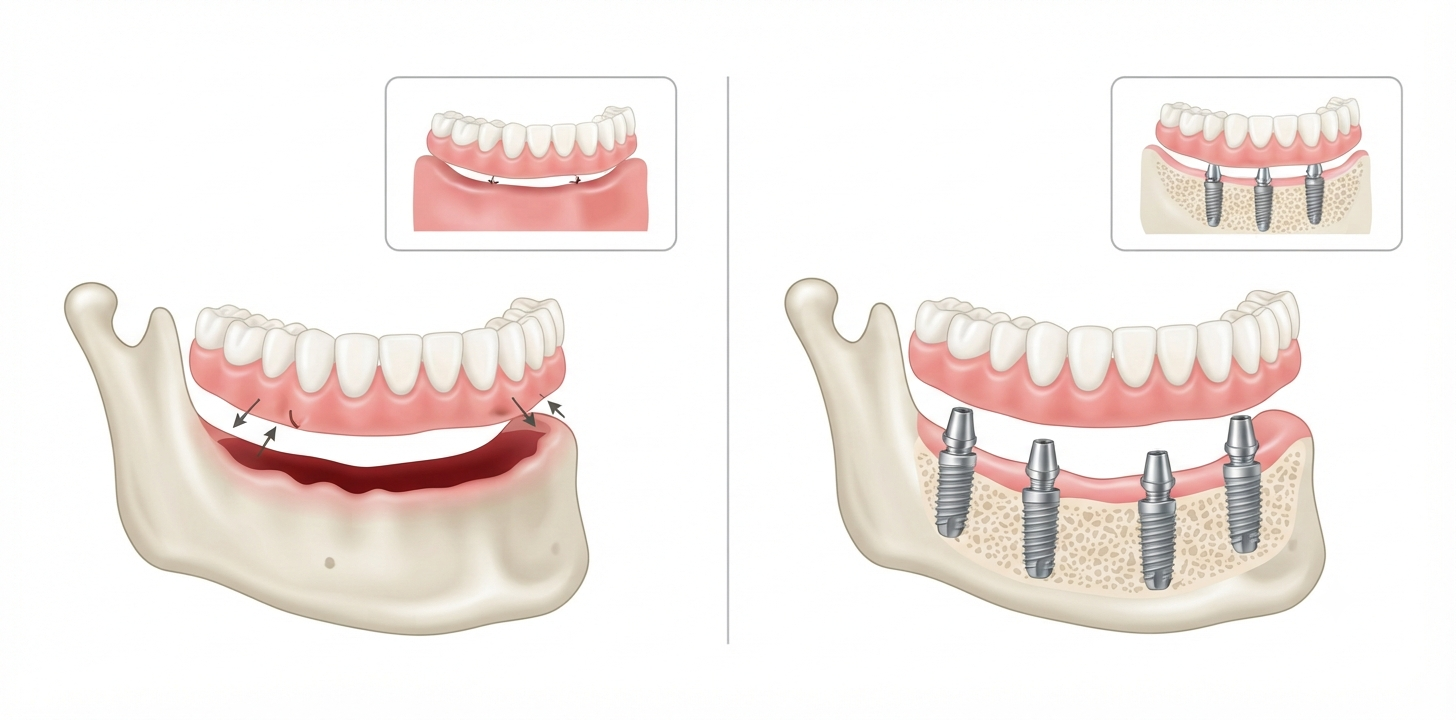
When several or all of your teeth are missing, dentures can help restore the appearance and function of your smile. Traditional dentures have been used for many years as a removable solution for missing teeth, while implant-supported dentures offer another option for patients looking for additional stability. At All Star Smiles Dental in Arlington, Texas, both traditional and implant-supported denture options may be considered depending on your oral health, remaining teeth, jawbone, and individual needs. Understanding how these two options differ can help you have a more informed conversation with your dentist. What Are Traditional Dentures? Traditional dentures are removable dental appliances designed to replace missing teeth. Complete dentures can replace all the teeth in an upper or lower arch, while partial dentures are used when some natural teeth remain. A complete denture consists of a gum-colored acrylic base that rests on the gum tissue, with replacement teeth built into the base. The denture is custom-made to fit your mouth and can be designed to create a natural-looking smile. Traditional dentures have a long history of use and can provide an economical way to replace missing teeth. What Are Implant-Supported Dentures? Implant-supported dentures combine dentures with dental implants for additional support. Instead of relying only on the gums to hold the denture in place, dental implants are placed in the jaw and can be used to secure the denture more firmly. All Star Smiles notes that implants can be used to improve the retention of dentures and may provide a more natural look. Implant-supported dentures can also be designed as a removable option, depending on the treatment plan. How Are They Different? The main difference between traditional dentures and implant-supported dentures is how the denture is supported. Traditional dentures rest directly on the gum tissue and are removable. Implant-supported dentures use dental implants placed in the jaw to provide additional support and retention. This difference can affect how securely the denture stays in place during everyday activities such as speaking and chewing. Stability and Retention Traditional dentures rely primarily on the fit of the denture against the gums. While a properly fitted denture can provide effective tooth replacement , some patients may experience movement as they speak or eat.  Implant-supported dentures are anchored using dental implants, which can provide greater retention and stability. This may help reduce movement and make the denture feel more secure during everyday use. Appearance and Function Both traditional and implant-supported dentures are designed to replace missing teeth and restore the appearance of your smile. With implant-supported dentures, the added support from implants can allow the denture to fit more securely. All Star Smiles notes that implant-supported dentures can offer greater retention and a more natural look. Your dentist can evaluate your smile and discuss which approach may be appropriate based on your specific needs. What About Partial Dentures? Implants are not limited to complete dentures. According to All Star Smiles, implants can also be used to support removable partial dentures. Traditional partial dentures generally use a framework and clasps around existing natural teeth for support. Implant-supported partial dentures can use implants to improve the fit while reducing the bulkiness of the appliance. The right option depends on the number and location of missing teeth, the condition of your remaining teeth, and your overall oral health. Are Implant-Supported Dentures Right for Everyone? Not every patient will have the same denture needs. Your dentist will need to evaluate your oral health and determine whether implants and an implant-supported denture are appropriate for your situation. Factors such as the condition of your jawbone, gums, remaining teeth, and overall treatment goals can all play a role in determining the right approach. In some cases, additional treatment may be recommended before moving forward with implant-supported dentures. What Can You Expect During a Consultation? Your denture consultation begins with an evaluation of your oral health and your specific tooth replacement needs. Your dentist can discuss the number of teeth that need to be replaced, examine your gums and remaining teeth, and evaluate your jawbone when necessary. From there, your dentist can explain the available options, including traditional dentures, partial dentures, and implant-supported dentures. The goal is to develop a treatment plan that considers your comfort, function, appearance, and individual needs. Choosing Between Traditional and Implant-Supported Dentures Traditional dentures and implant-supported dentures can both be used to replace missing teeth, but they provide different approaches to support and retention. Traditional dentures may be an appropriate option for patients looking for a removable tooth replacement solution. Implant-supported dentures may be considered by patients who want additional stability from dental implants. There is no single denture option that is right for every patient. A dental evaluation can help determine which solution fits your oral health and treatment goals. If you are considering dentures or want to learn whether implant support may improve your denture experience, schedule a consultation with All Star Smiles Dental in Arlington, Texas. Your dentist can evaluate your smile and discuss the available options to help you move forward with a tooth replacement solution that fits your needs.
September 9, 2026
When you schedule a routine dental cleaning, you may think you already know what to expect: sit back, have your teeth cleaned, rinse, and leave with a fresh smile. But a professional dental cleaning is about much more than simply removing plaque and polishing your teeth. Routine dental cleanings give your dental team an opportunity to evaluate your oral health, identify early warning signs, and help prevent problems before they become more serious. In many cases, what looks like a simple cleaning appointment can play an important role in protecting your teeth, gums, and overall oral health.